
Reading Glasses for Women and the Modern Small-Print Era
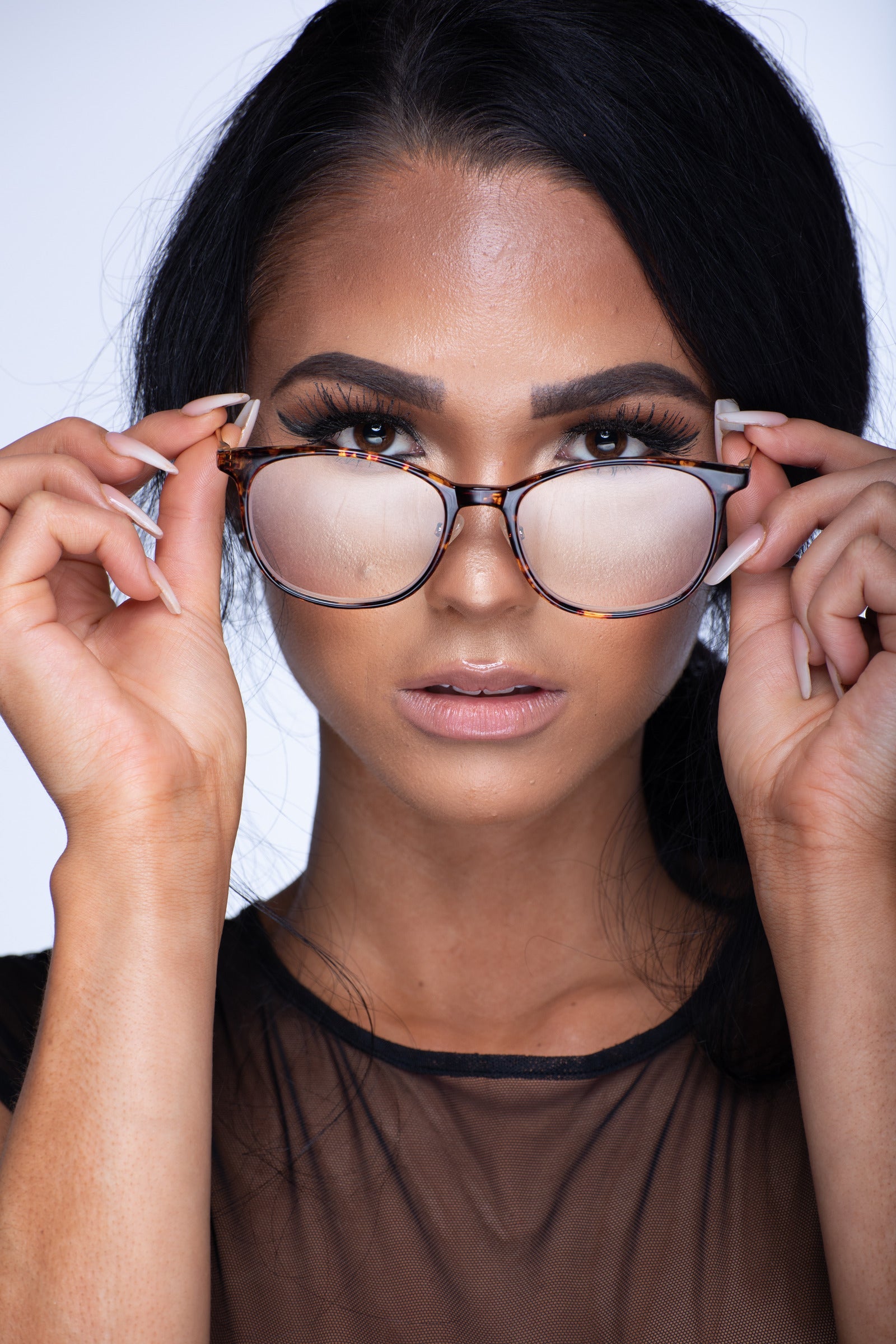
Reading Glasses for Women and the Modern Small-Print Era gives the small print a practical answer: comfortable readers, flattering frame shape, and enough polish to stay on after the menu is handled.
Small Print Crimes
The funny thing about small print is that it always brings witnesses. There is a special kind of humility in the small-print ambush.
That is the real issue in the small-print ambush: readers have to help, flatter, and still feel like something we meant to wear. Not because anyone needs more pressure. Because the detail is visible, and visible things affect the mood.
The tiny font arrived with witnesses
This is where the joke turns into a real mirror problem: lighting, timing, witnesses, and a frame sitting right on the face. The face should not have to work around the tool that was supposed to help it.
Readers should get the small print handled without making the whole table listen to an eyesight update. The real details are reader strength, comfortable weight, a bridge that stays put, and a shape that does not make the face look suddenly exhausted. The frame should feel easy to grab and pretty enough to keep on after the label has been defeated.
The first check is comfort. Readers should not punish the bridge of the nose, grab the hair, or make the small-print ambush feel like a timed exam. A good frame earns trust quietly, which is very chic of it.
Useful does not mean defeated
The better answer is not louder eyewear. It is eyewear with a clear job and a prettier finish. That means the style has enough polish for real clothes and enough sense for real life.
The frame can be pretty, but it still has to behave. That means no sliding, no pinching, no strange glare, and no making the face look borrowed. Once those pieces are right, the style part stops feeling like extra credit.
The lens matters too. Reader strength, clear blue-light help, prescription clarity, or sun coverage changes how readers behave in the real room. This is how the small-print ambush becomes easier: fewer apologies, fewer adjustments, and fewer bad mirror negotiations.
What we do not need is a pair that only works in a perfect mirror with perfect hair and no plans after 2 p. m. The better choice keeps small-print ambush from taking over the whole mood. It is pretty, but not precious.
What the reader has to prove
The point is not perfection. The point is refusing the lazy little tradeoff between help and style. Useful can be pretty. Pretty can have a job. Everybody can calm down.
It also means noticing where this actually happens: not in perfect studio light, but in the messy middle of the day. The best version feels useful first, then quietly glamorous after.
A real woman does not wear readers in theory. She wears them while answering messages, checking labels, fixing lipstick, hauling a bag, or trying to look normal in the small-print ambush. The pretty part is stronger when the practical part is handled.
The final check is not dramatic. Put on readers, look at the face, and see whether the small-print ambush starts making more sense. That is not overthinking. That is refusing to let a visible detail become the weak link.
We can be funny about the small-print ambush and still be serious about fit, lens choice, and how the frame changes the face. The standard can stay sharp while the vague little compromises leave quietly through the side door.
The practical recommendation is to stop treating readers like a hidden tool when they are sitting exactly where eye contact happens. A frame that makes the face look tired is not saving anyone time. The stronger choice is the one we reach for again because it solved the problem without making itself the problem.
The cleaner version still has attitude. It just stops making the face pay for a lazy frame. That is how the joke stays sharp instead of padded.
That is why the final answer has to be simple enough to use in a hurry. The small-print ambush is already there, usually with no warning and absolutely no sympathy for weak eyewear. So the pair has to bring comfort and taste at the same time, because splitting those jobs is how drawers fill with regrets.
Quiet detail, loud difference. That is the whole tension in the small-print ambush.
The verdict
Readers and the modern small-print era is small until it is sitting on the face all day. Choose the glasses that can survive real light and still look like us.
That is where the mirror can finally stop arguing.
Useful next click
For the next practical step, compare reading glasses guide with women's eyeglasses so the strength, shape, and everyday fit all stay in the same conversation.
For the pairs that migrate from nightstand to handbag to kitchen counter, the ultrasonic cleaner is a practical way to keep everyday readers feeling fresh.











Leave a comment
This site is protected by hCaptcha and the hCaptcha Privacy Policy and Terms of Service apply.