
Statement Maximalism: Be Bold Without Looking Like a Theme Party
Statement maximalism works when color, print and texture have a plan. Repeat one color, vary pattern scale and give the outfit one clear focal point.
Quick answer: Statement maximalism is an intentional mix of color, print, texture and accessories. It isn’t every loud thing you own filing into the outfit at once.
- Repeat one color so the look feels connected.
- Mix one large pattern with one smaller pattern instead of making both shout at full volume.
- Choose a focal point and give the eye somewhere to rest.
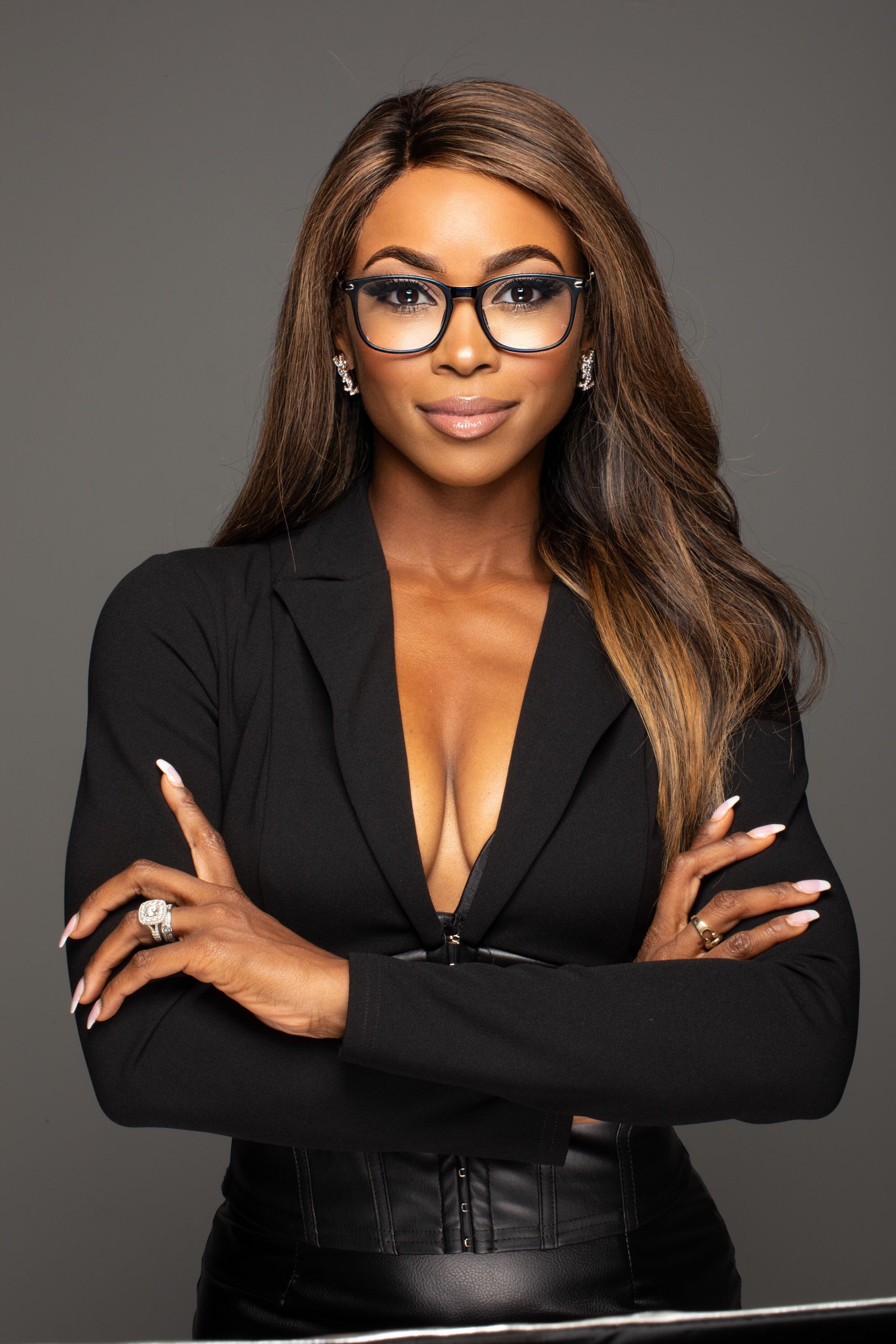
- Let bold glasses lead when the face is the point of the look.
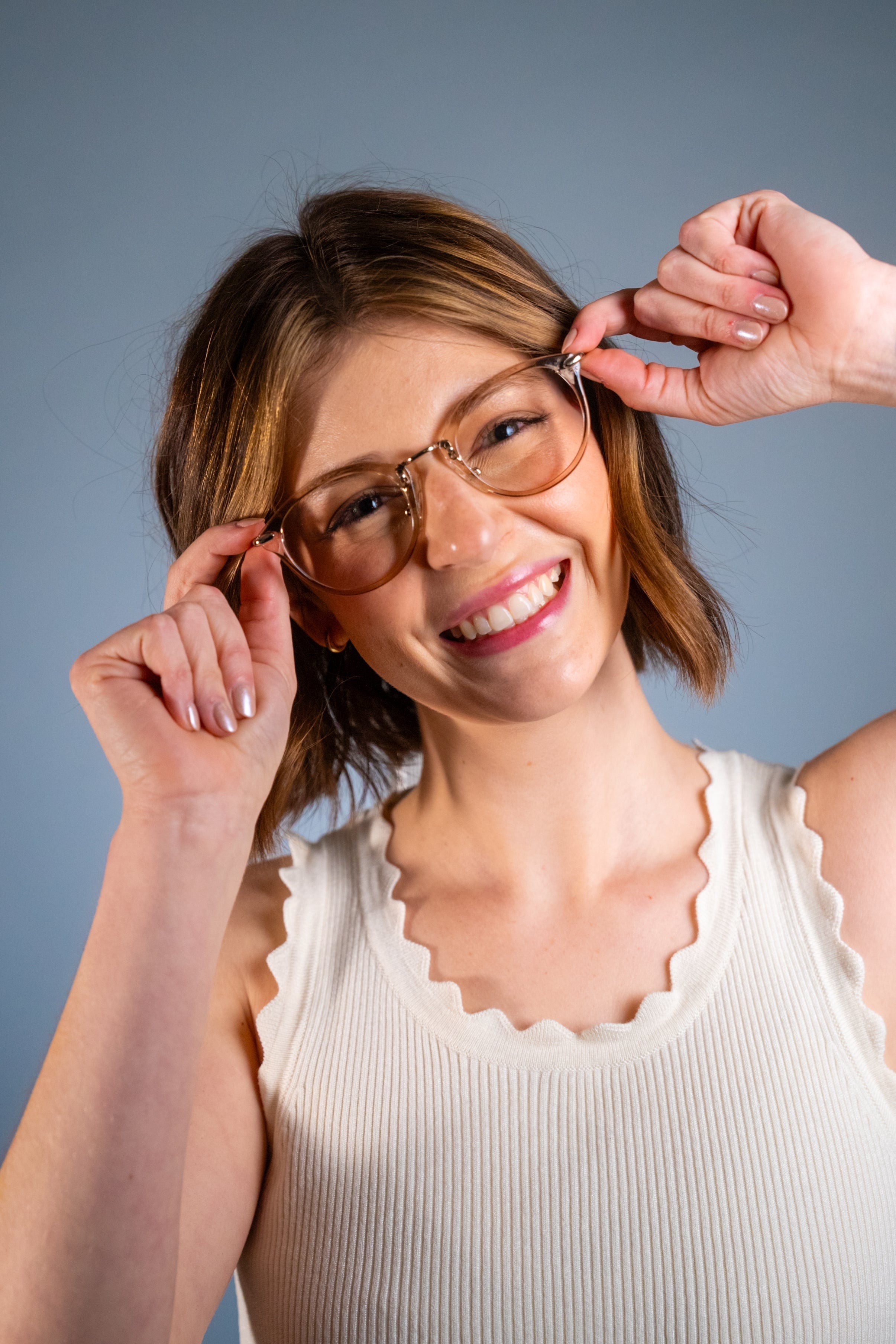
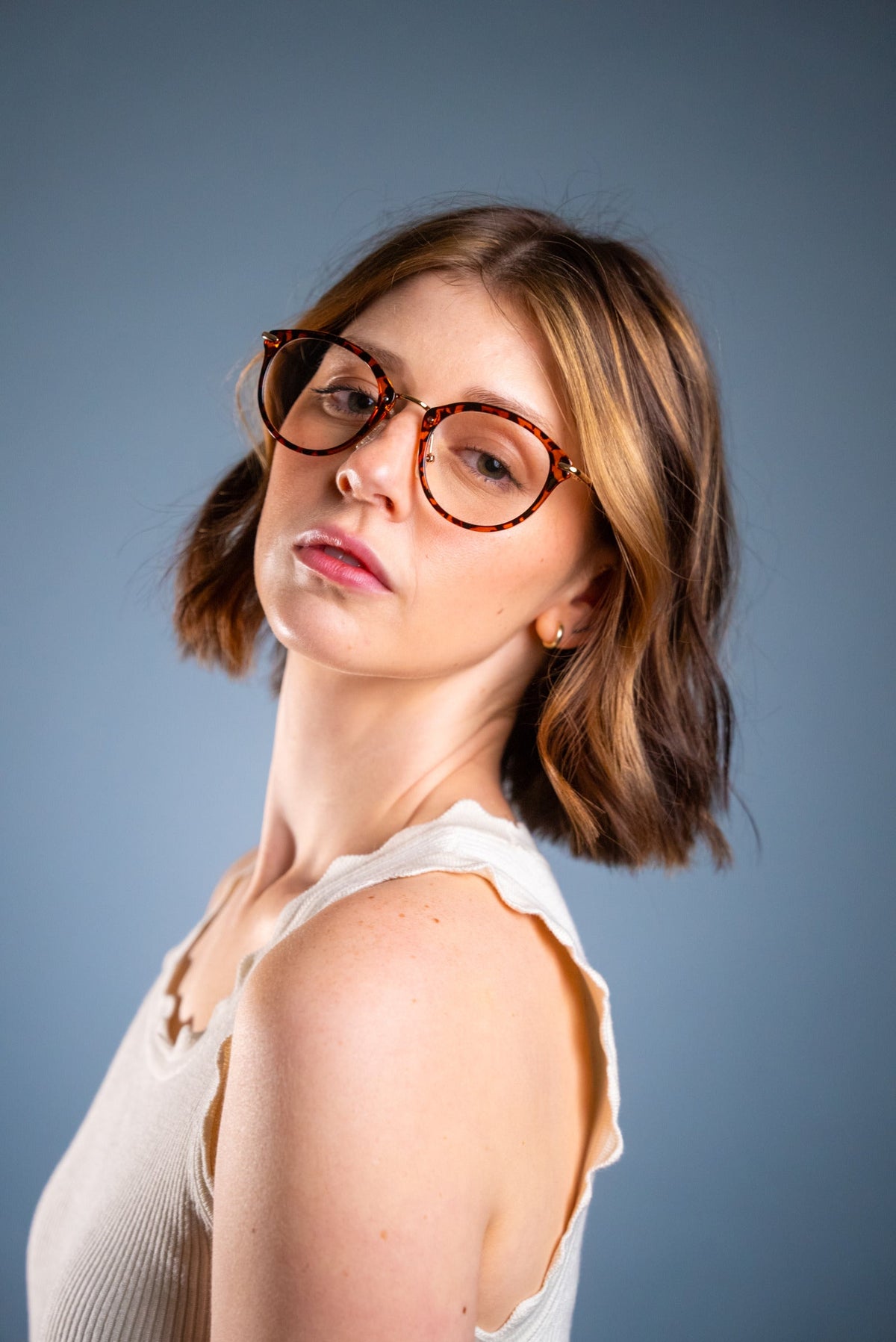
Start with women's eyewear that can carry the look, or use the Find Your Style guide to narrow the mood before the accessories start campaigning.
How to make maximalism look intentional
Repeat one color at least twice: glasses and shoes, lipstick and a bag, earrings and a print. That echo is what turns “a lot” into a decision.
Scale matters too. A large floral can live beside a smaller stripe; two patterns fighting at the same volume usually look like they met five minutes ago.
Then choose the face-level focal point. Bold glasses can lead the whole look. If they do, let the other pieces support instead of holding separate auditions.
Going out changes the assignment
A good pair does not ask for a compliment every five minutes. It just makes the reflection easier to trust. That means a shape with lift, a color that works with the face, and comfort that lasts longer than the first flattering mirror.
This is why the small details around glasses matter: shape, weight, color, bridge fit, and how the pair handles a full day. Then the mirror gets a cleaner answer, which is usually all we wanted.
The daily rotation matters too. If glasses only work in one perfect mirror, they are not ready for the actual day. That is the useful kind of style: specific enough for the outfit-and-glasses check, but not so loud that the pair starts running the room.
What we do not need is a pair that photographs well once and then spends the rest of the day sliding, pinching, or arguing with the outfit. The better choice lets glasses do their work without turning into a personality test. It is put-together, but still easy to live with.
The mirror-photo standard
Here is the line: glasses can be practical, but they still have to respect the face wearing them. A visible object should earn its place with comfort, shape, and a little charm.
It means the glasses should not need the outfit to apologize for them. That is a small standard with a surprisingly large effect.
This is the part that makes the copy feel human: glasses are not props. They are sitting on someone who has errands, standards, and a mirror with a memory. The better pair makes all of that feel less fussy.
The final check is whether glasses still feel good after the first compliment has worn off and the outfit-and-glasses check is simply part of the day. This is the small difference between a pair we tolerate and a pair we keep reaching for.
We can make room for the joke without letting the joke cover for vague eyewear advice. That is the part worth protecting: the face, the day, and the difference between technically fine and actually right.
The practical recommendation is to let the outfit-and-glasses check tell the truth: if the glasses make the face look more awake, keep going. A pair that only looks good in silence is not finished. The stronger choice is the one that makes glasses feel like part of the look, not a note from the practical department.
That is the sharper version: a real setting, a real face, and glasses with an actual job. That is how the whole thing keeps its bite without getting fuzzy.
That is why the pair cannot depend on perfect conditions to look good. The outfit-and-glasses check is where the pair either helps quietly or becomes the thing we notice all day. So the pair has to arrive ready: comfortable, flattering, useful, and pretty enough that we do not resent needing it.
Small detail, large consequences. That is the part the mirror understands first.
The verdict
Statement maximalism works when the outfit has a point of view, not when every piece is fighting for the last word.
Pick the focal point, repeat the color and let the rest play backup.




Leave a comment
This site is protected by hCaptcha and the hCaptcha Privacy Policy and Terms of Service apply.